
Bathroom Designs: Creating a Stylish and Functional Space
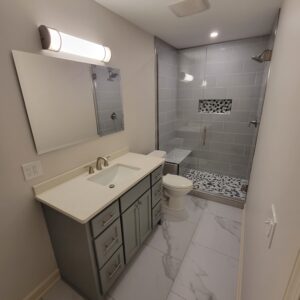
The bathroom is no longer viewed as just a utility room. Modern homeowners now consider it a personal sanctuary—a place for relaxation, rejuvenation, and comfort. Whether you are designing a compact powder room or a luxurious master bath, the right bathroom design can elevate both functionality and aesthetics.
Importance of Good Bathroom Design
A well-designed bathroom improves daily routines while adding value to a home. Effective bathroom design balances three key elements:
- Functionality – Efficient layouts, storage, and accessibility
- Comfort – Proper lighting, ventilation, and ergonomic fixtures
- Style – Colors, materials, and décor that reflect personality
Today’s bathroom trends focus on combining practicality with elegance, making the space both beautiful and easy to maintain.
Popular Bathroom Design Styles
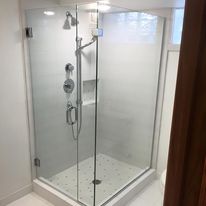
Modern Bathroom Design
Modern bathrooms emphasize clean lines, minimal clutter, and sleek finishes. Neutral colors such as white, gray, and black dominate this style.
Key Features:
- Floating vanities
- Frameless glass shower enclosures
- Matte black or chrome fixtures
- Large-format tiles
- Minimal decorative elements
Modern bathrooms often use hidden storage solutions to maintain a clean and organized appearance.
Contemporary Bathroom Design

Contemporary bathrooms blend current trends with innovative materials and technology.
Common Elements:
- Smart mirrors with LED lighting
- Touchless faucets
- Natural textures like wood and stone
- Open shower concepts
- Artistic lighting fixtures
This design style evolves over time and incorporates the latest interior design innovations.
Traditional Bathroom Design
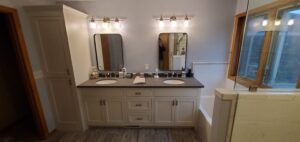
Traditional bathrooms create a warm and timeless atmosphere.
Characteristics:
- Decorative cabinetry
- Marble countertops
- Classic subway tiles
- Vintage-style faucets
- Soft color palettes
Freestanding bathtubs and elegant lighting are often focal points in traditional bathroom spaces.
Minimalist Bathroom Design
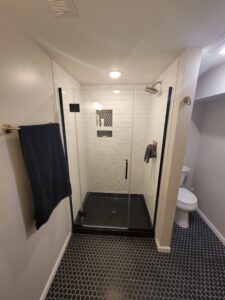
Minimalism focuses on simplicity and clutter-free living.
Design Principles:
- Neutral tones
- Simple geometric shapes
- Hidden storage
- Open space
- Limited accessories
Minimalist bathrooms are ideal for smaller homes because they create an illusion of spaciousness.
Essential Elements of Bathroom Design

Layout Planning
A practical layout is the foundation of any bathroom design. The placement of the sink, toilet, shower, and bathtub should allow easy movement.
Popular Layouts:
- Single-wall layout
- Galley bathroom
- L-shaped bathroom
- Wet-room design
For smaller bathrooms, space-saving fixtures can maximize functionality.
Lighting
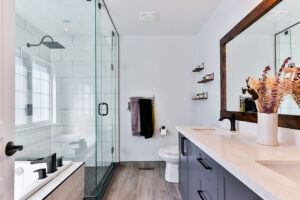
Lighting dramatically affects the mood and usability of a bathroom.
Types of Bathroom Lighting:
- Ambient lighting
- Task lighting
- Accent lighting
LED mirrors and layered lighting systems are increasingly popular in modern bathrooms.
Color Schemes
Color selection influences the overall ambiance.
Popular Bathroom Colors:
- White for cleanliness and openness
- Gray for sophistication
- Beige for warmth
- Blue for calmness
- Green for a natural feel
Combining light colors with reflective surfaces can make small bathrooms appear larger.
Storage Solutions
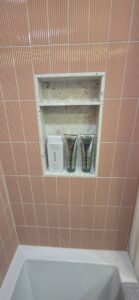
Smart storage keeps bathrooms organized and clutter-free.
Storage Ideas:
- Recessed shelves
- Floating cabinets
- Vanity drawers
- Wall-mounted organizers
- Mirror cabinets
Efficient storage is especially important in compact bathrooms.
Bathroom Materials and Finishes
Tiles
Tiles are one of the most important visual elements in bathroom design.
Popular Tile Choices:
- Ceramic tiles
- Porcelain tiles
- Marble tiles
- Mosaic tiles
- Textured stone tiles
Large tiles reduce grout lines and create a cleaner appearance.
Countertops
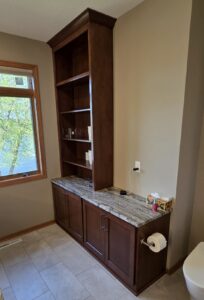
Bathroom countertops should be durable and water-resistant.
Common Materials:
- Quartz
- Granite
- Marble
- Solid surface materials
Quartz is particularly popular because it is low-maintenance and highly durable.
Fixtures and Hardware
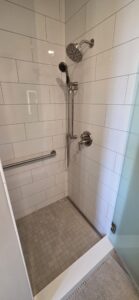
Choosing the right fixtures enhances both style and usability.
Trending Finishes:
- Matte black
- Brushed nickel
- Polished chrome
- Brass
- Gold accents
Coordinated hardware creates a cohesive look.
Small Bathroom Design Tips

Designing a small bathroom requires careful planning.
Space-Saving Ideas:
- Use wall-mounted toilets and vanities
- Install sliding shower doors
- Add large mirrors
- Choose light colors
- Use vertical storage
Minimal décor and proper lighting can make compact bathrooms feel more spacious.
Luxury Bathroom Trends
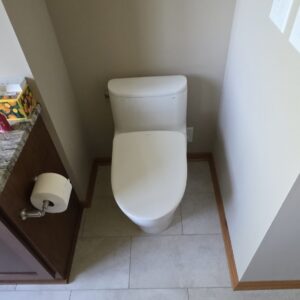
Luxury bathrooms are becoming increasingly spa-inspired.
High-End Features:
- Rainfall showers
- Heated floors
- Freestanding soaking tubs
- Smart toilets
- Natural stone finishes
- Mood lighting
Many luxury bathrooms now include wellness-focused elements such as aromatherapy and integrated sound systems.
Eco-Friendly Bathroom Designs

Sustainable bathroom design is gaining popularity.
Eco-Friendly Features:
- Water-saving faucets and toilets
- Energy-efficient lighting
- Recycled materials
- Low-flow showerheads
- Sustainable wood cabinetry
Green bathroom designs help reduce environmental impact while lowering utility costs.
Conclusion
Bathroom design has evolved into a sophisticated blend of style, comfort, and practicality. Whether you prefer a modern minimalist look, a timeless traditional style, or a luxurious spa-inspired retreat, thoughtful planning is essential for creating a bathroom that meets your needs.
By selecting the right layout, materials, lighting, and storage solutions, homeowners can transform bathrooms into elegant and functional spaces that enhance everyday living.